Our national flag has four colours, and each one carries a deep meaning. Black for the people. Green for the land. White for peace.
And red, for the blood shed during the struggle for our freedom.
As Kenya celebrates Mashujaa Day tomorrow, 20 October, we find ourselves stuck on that red stripe. Because when we ask whose blood it was, one name rises before all others: Field Marshal Dedan Kimathi Wachiuri.
The red stripe is not decoration
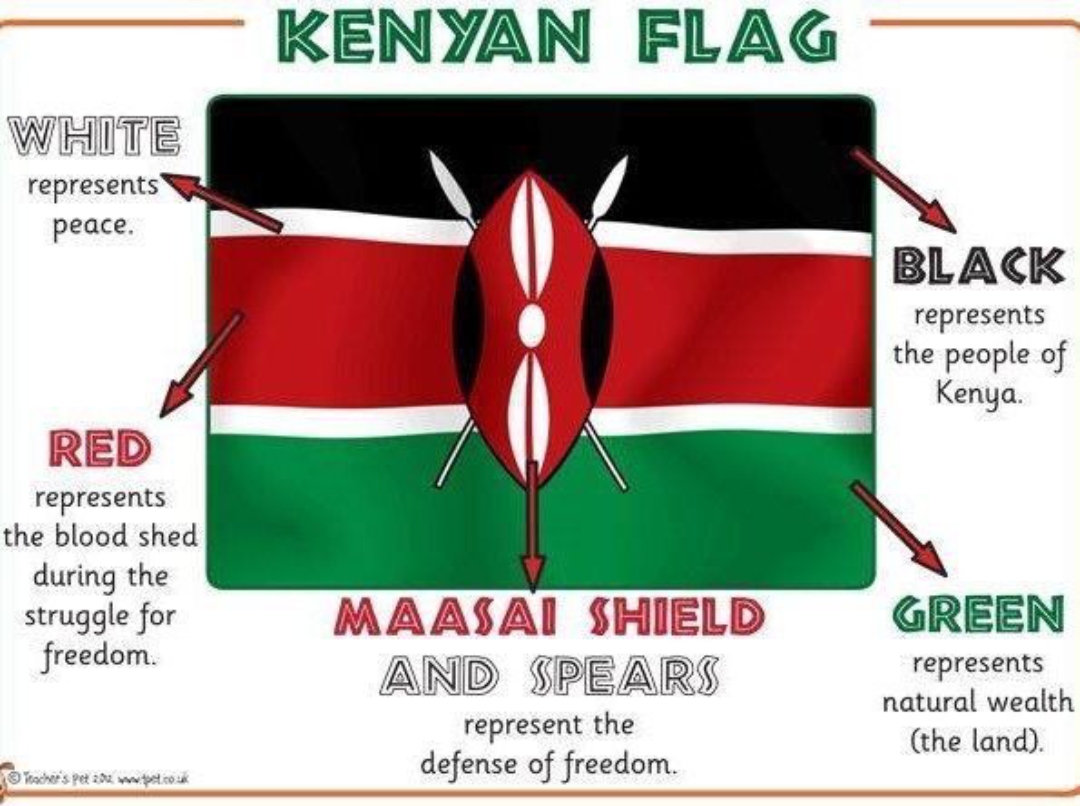
Kenya raised its flag on 12 December 1963. The colours were chosen with intent, and the red was chosen to remember a price that had already been paid (Flag of Kenya).
That price was paid in the forests of the Aberdares and Mount Kenya. It was paid in detention camps, in villages, and at the gallows. Thousands of men and women of the Kenya Land and Freedom Army, known to history as the Mau Mau, gave their lives so that the black of the flag could stand on the green of their own land.
The red stripe asks a simple question every time we look at it: do we remember who bled?
Who was Dedan Kimathi?
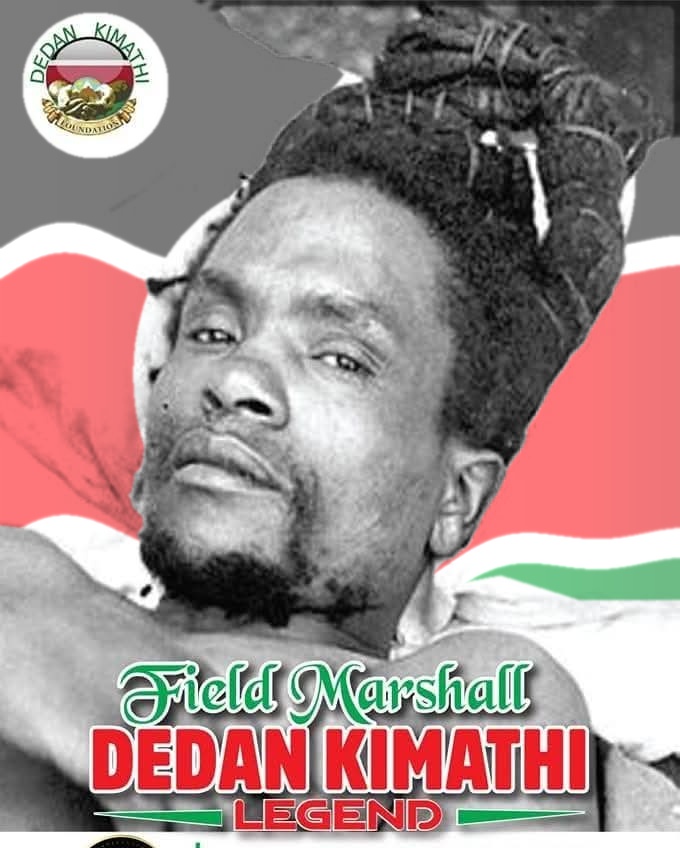
Dedan Kimathi Wachiuri was born on 31 October 1920 in Thege village, Nyeri. He grew into the leader of the Kenya Land and Freedom Army during the Mau Mau uprising, and one of its Field Marshals (Wikipedia).
In 1953 he formed the Kenya Defence Council to unite the fighters in the forests under one command. For years the colonial government hunted him, and for years he stayed out of reach.
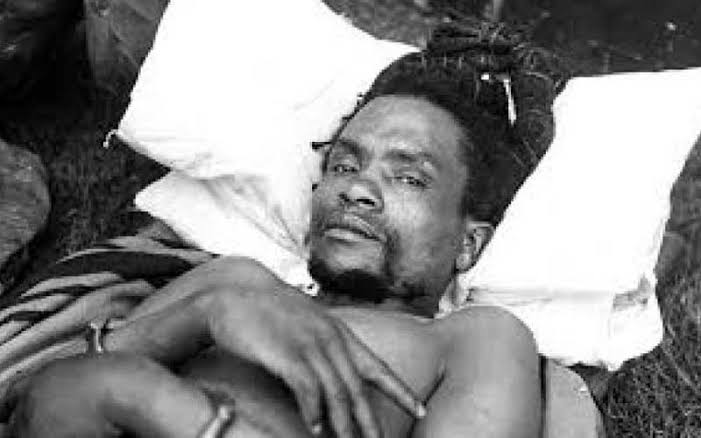
On 21 October 1956 he was shot in the leg and captured near his forest hideout. He was tried from a hospital bed in Nyeri, sentenced to death, and hanged at Kamiti Maximum Security Prison on the morning of 18 February 1957. He was 36 years old.
He was buried in an unmarked grave. His wife, Mama Mukami Kimathi, spent the rest of her life asking for his remains to be found and given a dignified burial. She passed on in May 2023, aged 96, still waiting.
Can we talk about Mashujaa Day without him?
No, we cannot.
Mashujaa means heroes. The day exists to honour the men and women who fought for Kenya’s freedom, and no one carried that fight further, or paid more for it, than Kimathi. He did not live to see the flag rise. He gave his life so that we could.
The dates themselves will not let us forget. Tomorrow is Mashujaa Day. The very next day, 21 October 2026, marks exactly 70 years since he was captured. And on 31 October he would have turned 106.
Kenya has begun to honour him. A bronze statue of Kimathi, rifle in hand, stands on Kimathi Street in central Nairobi, unveiled on the 50th anniversary of his execution. A university in Nyeri carries his name. But a statue is not the same as remembering, and a street name is not the same as knowing the story.
To speak of the red in our flag without speaking of Dedan Kimathi is to tell half the story of our freedom.
Honour him this Mashujaa Day
As the nation gathers in Eldoret for this year’s national celebrations, the Dedan Kimathi Foundation invites every Kenyan to keep his name alive in small, real ways:
- Tell the story. Share it with a child, a student or a colleague who has only heard the name.
- Look at the flag differently. When you see the red, remember Kimathi and the thousands who fell beside him.
- Visit his statue on Kimathi Street and pause for a moment.
- Stand with the Foundation as we work to preserve his legacy and see him finally laid to rest with the dignity he earned.
Happy Mashujaa Day, Kenya. May we never wave the red without remembering whose blood it holds.
Dedan Kimathi Foundation