History is not preserved only in books, archives, and monuments. It also lives in the memories and experiences of the people who witnessed it.
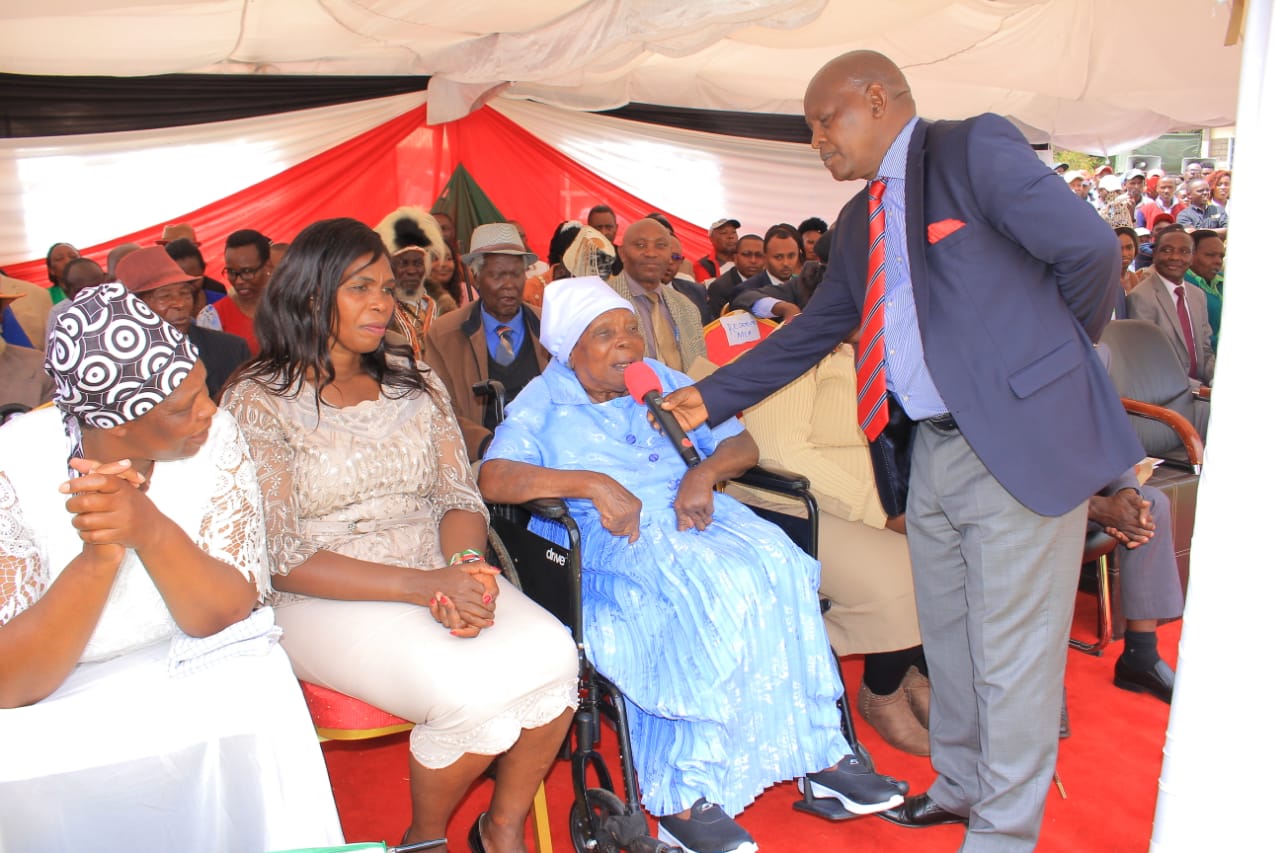
The Dedan Kimathi Foundation is committed to documenting, preserving, and sharing the personal stories of Mau Mau veterans, their families, and communities connected to Kenya’s struggle for independence.
Through oral history, interviews, photographs, documents, and personal testimonies, we seek to ensure that these voices are preserved for future generations.
Why Their Stories Matter
Preserving History Through Personal Experience
The Mau Mau period is an important part of Kenya’s journey toward independence. Behind the historical events are individual men and women whose lives were shaped by the struggle.
Their memories can provide valuable insight into:
- Life during the struggle for independence
- Community experiences
- The sacrifices made by families
- The experiences of detention and displacement
- The role of women and families
- Community resilience
- The journey toward independence
- Life after independence
By preserving these experiences, we help future generations understand history from the perspective of those who lived through it.
Our Oral History Programme
Listening. Documenting. Preserving.
Our Oral History Programme seeks to create a respectful and structured platform through which veterans and their families can share their experiences.
The programme may involve:
Recorded Interviews
Conducting audio or video interviews with veterans and other individuals with relevant firsthand or family experiences.
Written Testimonies
Preserving written accounts, memoirs, letters, diaries, and personal recollections.
Photographic Archives
Collecting and preserving historical photographs and family collections.
Historical Documents
Digitising and preserving relevant documents, records, newspaper articles, correspondence, and other materials where appropriate.
Family Histories
Documenting stories passed from one generation to another.
Veteran Stories
Voices From Our History
This section of the website will feature carefully documented stories from veterans and their families.
Each story may include:
Veteran Profile
Name, background, community, and relevant historical context.
Personal Account
The veteran’s own recollection of their experiences.
Family Story
How the struggle affected their family and subsequent generations.
Historical Context
Relevant background to help readers understand the period and events described.
Photographs & Documents
Images and historical materials provided with appropriate permission.
Legacy
The individual’s contribution, values, and message to future generations.
Featured Stories
Featured Stories
Stories That Deserve to Be Remembered
The Foundation will gradually build a collection of documented stories representing different communities, experiences, and perspectives.
Featured Veteran Story
Coming soon — a carefully documented account from a Mau Mau veteran or their family.
From One Generation to Another
Keeping the Conversation Alive
Many historical memories are passed from grandparents to parents and then to children.
As time passes, there is a risk that important details, names, places, experiences, and personal accounts may be lost.
Our oral history programme encourages intergenerational conversations that allow younger people to listen to and learn from older generations.
We encourage young people to:
- Interview grandparents and elders
- Record family histories
- Preserve old photographs
- Learn about local historical sites
- Ask questions about family experiences
- Participate in heritage programmes
- Share verified stories responsibly
Preserving Historical Materials
From Personal Collections to a Digital Archive
Many families possess valuable historical materials that may be vulnerable to loss or deterioration.
The Foundation seeks to encourage responsible preservation and digitisation of:
- Photographs
- Letters
- Personal documents
- Newspaper clippings
- Maps
- Diaries
- Certificates
- Memorabilia
- Recorded interviews
- Family records
Where permission is granted, selected materials may form part of a digital heritage archive accessible to researchers, educators, students, and the wider public.
Share a Veteran's Story
Help Us Preserve a Voice From History
Do you have a family member, relative, neighbour, or community elder who participated in or witnessed events connected to Kenya’s liberation struggle?
We welcome enquiries from veterans, descendants, families, researchers, and community members who wish to contribute historical accounts or materials.
You may be able to share:
- A veteran’s personal story
- Family photographs
- Historical documents
- Letters or correspondence
- Audio recordings
- Video recordings
- Personal memorabilia
- Information about historical places
- Family histories
How the Process Works
A Respectful Approach to Oral History
Get in Touch
Contact the Foundation and provide basic information about the story or historical materials you would like to share.
Initial Assessment
Our team reviews the information and determines the most appropriate way to document it.
Interview & Documentation
Where appropriate, an interview may be conducted with the veteran, family member, or other relevant individual.
Review & Consent
Participants are given an opportunity to clarify information and understand how their contribution may be used.
Preservation
Approved recordings, photographs, documents, and testimonies are preserved using appropriate archival methods.
Public Education
Where consent permits, selected stories may be published through the Foundation’s website, exhibitions, educational programmes, publications, or other heritage initiatives.
Respect, Consent & Historical Integrity
Preserving Stories With Dignity
Oral histories are personal accounts and should be treated with care and respect.
The Foundation is committed to:
- Obtaining appropriate consent
- Respecting participants’ privacy
- Protecting sensitive information
- Preserving the integrity of personal testimonies
- Distinguishing personal recollection from independently verified historical evidence
- Providing appropriate historical context
- Avoiding exploitation or misrepresentation of participants’ stories
Where accounts contain differing interpretations or memories, we seek to present them responsibly rather than altering the storyteller’s voice.
For Researchers & Educators
A Resource for Learning
The Foundation seeks to make responsibly documented oral histories useful to researchers, educators, students, historians, and communities.
Potential resources may include:
- Oral history recordings
- Transcripts
- Veteran profiles
- Historical photographs
- Research publications
- Educational resources
- Historical timelines
- Community archives
Researchers interested in accessing materials may contact the Foundation to discuss available resources and applicable access conditions.
Become Part of the Archive
Every Story Adds to the Record
A photograph sitting in a family album, a letter preserved in an old box, or a story remembered by a grandparent can become an important piece of Kenya’s historical record.
You can help preserve our shared heritage by contributing your family’s stories and historical materials.
Listen. Record. Preserve. Remember.
Take action
Before the Voices Fade, Let Us Listen.
The passing of each generation creates an urgent responsibility to preserve the memories of those who witnessed Kenya’s history.
Together, we can ensure that the experiences of Mau Mau veterans and their families are not lost, forgotten, or separated from the history they helped shape.