The Mau Forest Complex is one of Kenya’s most important forest ecosystems and water catchment areas. Its forests, rivers, wetlands, soils, and biodiversity provide essential ecological services that support communities, agriculture, wildlife, and economies far beyond the forest itself.
The Dedan Kimathi Foundation is committed to supporting conservation, restoration, environmental education, and community participation aimed at protecting the Mau ecosystem for present and future generations.
Our approach recognises that lasting conservation requires a balance between environmental protection, community participation, sustainable livelihoods, and responsible stewardship of natural resources.
Why the Mau Matters
A Natural Asset of National Importance
The Mau Forest Complex is an important part of Kenya’s ecological infrastructure.
Its forests and associated ecosystems contribute to:
- Water catchment and regulation
- River systems and downstream water supply
- Biodiversity conservation
- Soil and landscape protection
- Climate regulation
- Agricultural productivity
- Livelihoods
- Ecosystem resilience
Protecting the Mau therefore has implications far beyond the boundaries of the forest.
Our Conservation Vision
A Restored and Protected Mau Ecosystem
We envision a Mau ecosystem where forests are restored, water catchments are protected, biodiversity is conserved, and communities participate meaningfully in sustainable environmental stewardship.
Our conservation work focuses on:
- Forest restoration
- Indigenous tree growing
- Water catchment protection
- Biodiversity conservation
- Environmental education
- Community engagement
- Climate resilience
- Sustainable land-use practices
Forest Restoration
Restoring Degraded Landscapes
Restoration is central to protecting the long-term health of the Mau ecosystem.
We support initiatives that seek to restore degraded forest landscapes through appropriate tree growing, natural regeneration, ecosystem rehabilitation, and community participation.
Our restoration activities may include:
- Indigenous tree planting
- Assisted natural regeneration
- Community tree nurseries
- Riparian restoration
- Protection of regenerating areas
- Restoration monitoring
- Environmental awareness
Restoration Is More Than Planting
Successful restoration requires long-term care.
We therefore encourage a complete restoration cycle:
Assess → Plan → Restore → Protect → Monitor → Sustain
Indigenous Trees
Growing Trees That Belong to the Ecosystem
The choice of tree species matters.
We encourage the use of appropriate indigenous and ecologically suitable species in restoration initiatives, taking into account local conditions, biodiversity, ecosystem requirements, and community needs.
Tree-growing programmes may support:
- Indigenous seedlings
- Community nurseries
- Seed collection
- Seedling propagation
- Tree planting
- Aftercare and protection
- Survival monitoring
Our objective is to support healthy, resilient ecosystems rather than simply maximise the number of seedlings planted.
Protecting Water Catchments
Forests and Water Are Connected
Healthy forests play an important role in maintaining functioning water catchments.
The Mau ecosystem is closely connected to rivers, wetlands, springs, agricultural areas, and communities downstream.
Our conservation efforts promote awareness and action around:
- Protection of water sources
- Riparian restoration
- Forest conservation
- Wetland protection
- Soil erosion control
- Responsible land management
- Community water stewardship
Protecting the forest helps protect the water systems that communities depend upon.
Biodiversity Conservation
Protecting an Ecosystem Full of Life
The Mau ecosystem supports diverse plant and animal species and provides important habitats within Kenya’s wider ecological landscape.
We promote conservation awareness around:
- Indigenous vegetation
- Wildlife habitats
- Birds
- Pollinators
- Forest ecosystems
- Wetlands
- Rivers and streams
- Native plant species
Restoring forests and protecting habitats can help strengthen ecosystem resilience and biodiversity.
Communities at the Centre
Conservation With Communities
Long-term conservation cannot succeed without the participation of communities.
We seek to work with local communities and stakeholders to encourage responsible environmental stewardship and develop practical conservation solutions.
Community engagement may include:
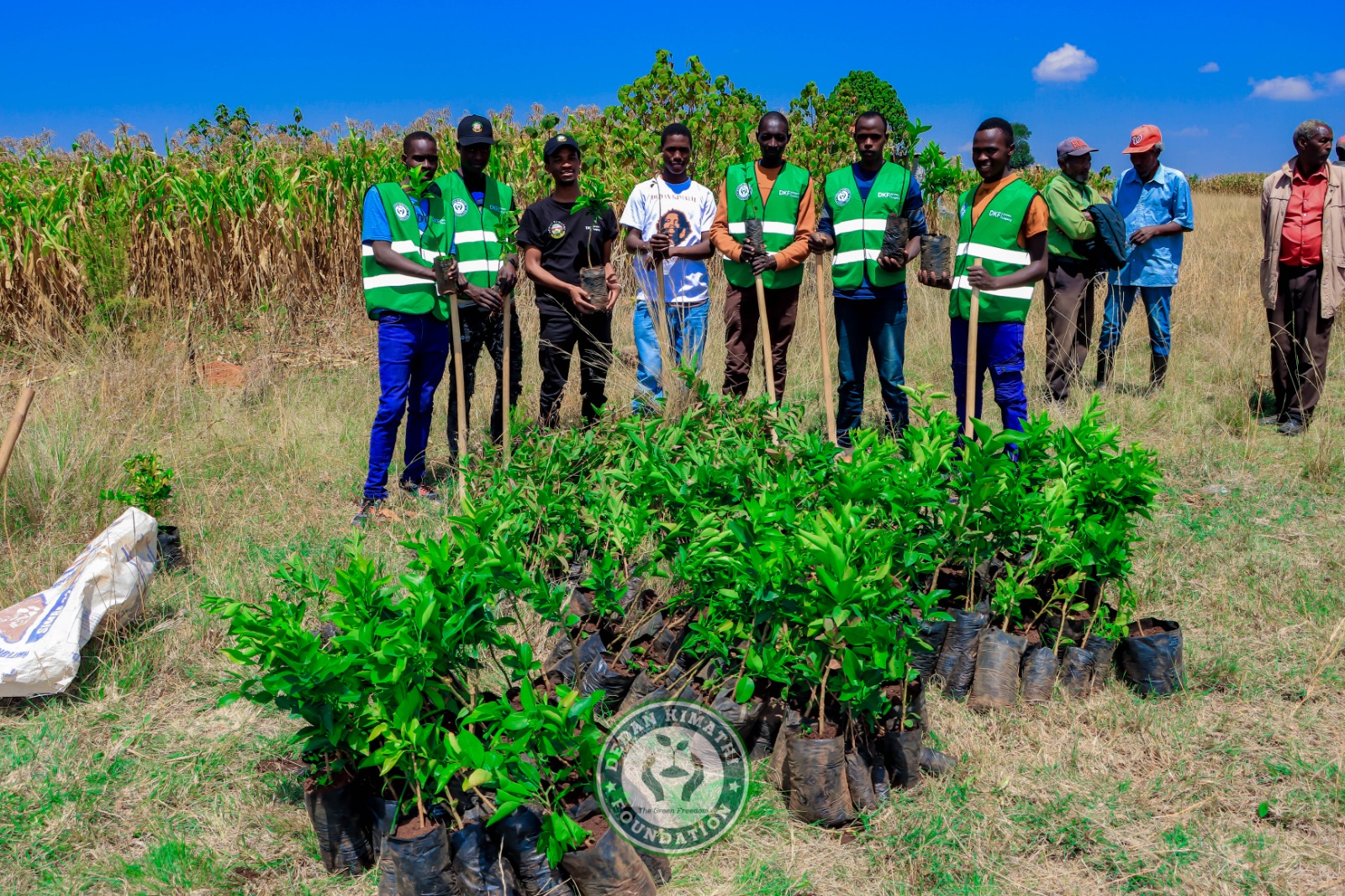
- Tree-growing initiatives
- Environmental education
- Community restoration projects
- Conservation awareness
- Sustainable agriculture
- Youth participation
- Community-based monitoring
- Sustainable livelihood initiatives
We believe communities should be partners in conservation, with their knowledge, experiences, needs, and aspirations considered in programme development.
Sustainable Livelihoods
Protecting Nature While Supporting Communities
Conservation and community wellbeing must work together.
Where appropriate, we support approaches that can reduce pressure on natural ecosystems while creating sustainable opportunities for communities.
Potential areas include:
- Agroforestry
- Sustainable agriculture
- Tree nurseries
- Green enterprises
- Sustainable value chains
- Skills development
- Environmental entrepreneurship
By creating opportunities outside unsustainable exploitation of natural resources, communities can become stronger partners in conservation.
Environmental Education
Building a Culture of Conservation
Knowledge is essential to long-term environmental stewardship.
We support educational activities that help communities, schools, and young people understand the ecological importance of the Mau Forest Complex.
Topics may include:
- The importance of forests
- Water catchments
- Biodiversity
- Climate change
- Tree growing
- Sustainable agriculture
- Soil conservation
- Community stewardship
Through education, we aim to inspire people to become active custodians of the Mau ecosystem.
Youth & School Engagement
Inspiring the Next Generation of Conservationists
Young people have an important role to play in the future of the Mau.
We encourage schools and youth groups to participate in practical environmental activities such as:
- Tree growing
- Environmental clubs
- Conservation talks
- Nature education
- Tree nursery projects
- Community clean-ups
- Biodiversity activities
- Environmental leadership programmes
The aim is to build a generation that understands the connection between healthy ecosystems and healthy communities.
Partnerships for the Mau
Conservation Requires Collective Action
The scale and complexity of the Mau ecosystem requires collaboration between multiple stakeholders.
We seek partnerships with:
- Government agencies
- County governments
- Environmental organizations
- Conservation groups
- Corporations
- Schools
- Universities
- Research institutions
- Community organizations
- Development partners
- Local communities
- Individual volunteers
Partners can contribute through funding, technical expertise, research, equipment, tree seedlings, community engagement, education, and programme implementation.
Research, Monitoring & Learning
Conservation Guided by Knowledge
Effective restoration requires understanding what works and what does not.
We encourage research, documentation, monitoring, and learning to strengthen conservation programmes.
Areas of interest may include:
- Restoration success
- Tree survival
- Biodiversity
- Water resources
- Community participation
- Climate resilience
- Land-use practices
- Environmental education
Monitoring helps ensure that conservation efforts remain focused on measurable and lasting results.
Measuring Our Impact
From Planting to Protection
We believe environmental success should not be measured by planting numbers alone.
Where reliable data is available, we monitor indicators such as:
Trees Planted
Seedlings planted through restoration and tree-growing campaigns.
Tree Survival
Monitoring trees after planting to understand long-term survival.
Areas Restored
Landscapes and ecosystems supported through restoration activities.
Communities Engaged
Communities participating in conservation initiatives.
Schools Reached
Schools and students participating in environmental education.
Partnerships
Organizations and institutions contributing to Mau conservation.
Our Conservation Principles
Responsible Stewardship
Our work is guided by several principles:
Ecological Responsibility
Conservation decisions should respect the needs of ecosystems.
Community Participation
Local communities should have meaningful opportunities to participate.
Sustainability
Restoration should focus on long-term outcomes rather than short-term activities.
Collaboration
Conservation is strengthened through partnerships.
Education
Knowledge and awareness are essential to lasting environmental protection.
Accountability
Programme activities and results should be monitored and communicated responsibly.
How You Can Help
Stand With the Mau
Protecting the Mau is a responsibility that belongs to all of us.
Plant & Grow Trees
Participate in tree-growing and restoration campaigns.
Volunteer
Join conservation activities and community programmes.
Support a Restoration Project
Provide financial or material support for restoration initiatives.
Partner With Us
Bring your organization’s resources and expertise to Mau conservation.
Educate Others
Help raise awareness about the importance of forests and water catchments.
Take action
When We Protect the Mau, We Protect More Than a Forest.
We protect water.
We protect biodiversity.
We protect communities.
We protect livelihoods.
We protect our climate resilience.
We protect the future.
The Mau is a shared natural heritage whose protection requires sustained commitment and collective action.