Environmental conservation begins with understanding.
At the Dedan Kimathi Foundation, we believe that lasting environmental change depends on people having the knowledge, skills, and confidence to make responsible decisions about the natural world.
Our Environmental Education Programme seeks to equip children, young people, teachers, communities, and institutions with practical knowledge about conservation, climate change, biodiversity, forests, water resources, and sustainable living.
We aim to turn environmental awareness into meaningful action.
Our Vision for Environmental Education
Creating a Generation of Environmental Stewards
The environmental challenges facing Kenya require informed and engaged citizens.
We want to see a generation that understands the value of nature and is prepared to protect it.
Our education programmes encourage people to:
- Understand environmental challenges
- Appreciate Kenya’s natural heritage
- Participate in conservation
- Adopt sustainable practices
- Protect natural resources
- Respond to climate change
- Inspire others to take action
Environmental Education in Schools
Starting With the Next Generation
Schools provide an important opportunity to develop lifelong environmental values.
We work with schools and education partners to promote practical environmental learning that complements classroom education.
Activities may include:
Tree Growing Programmes
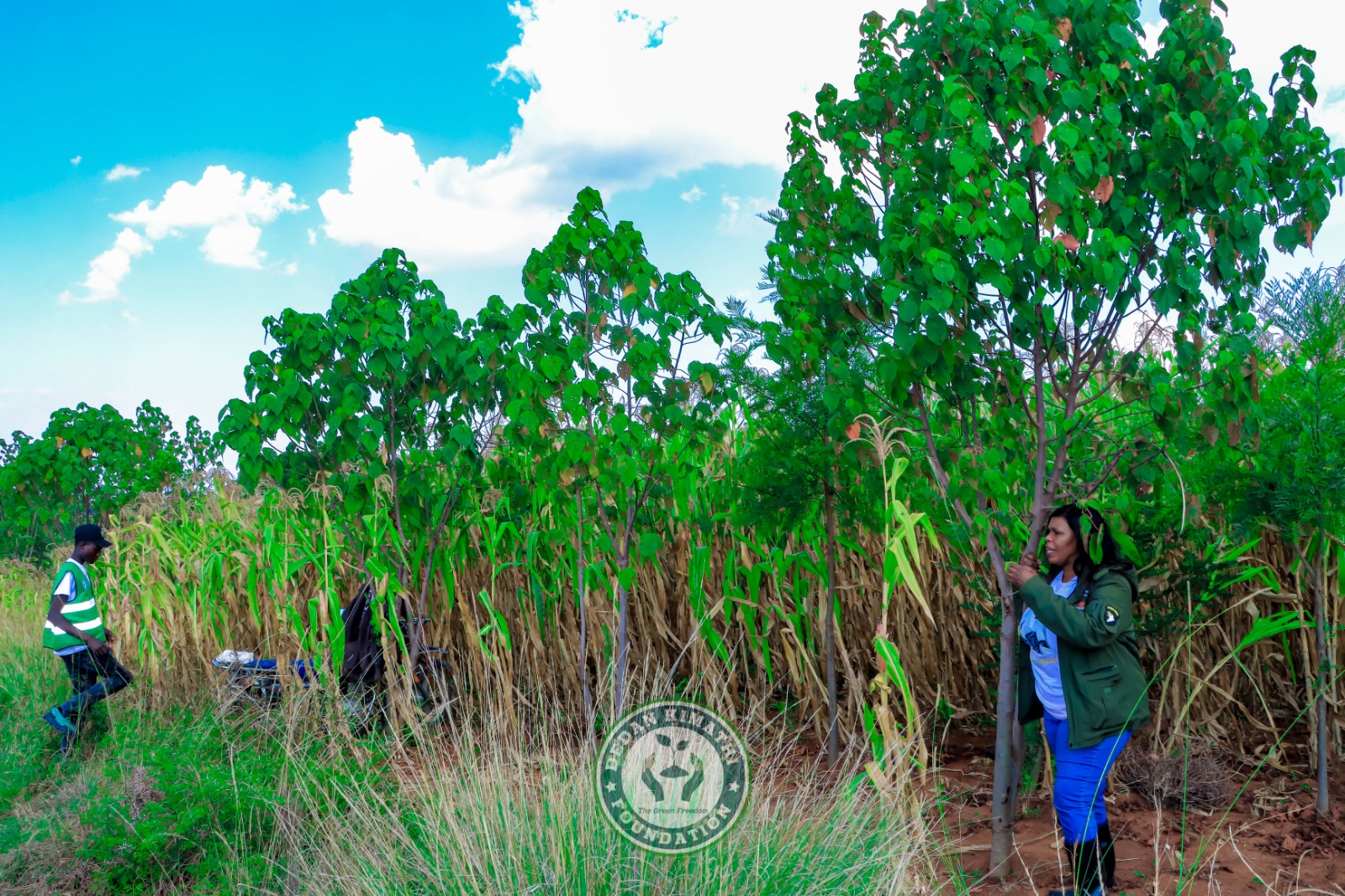
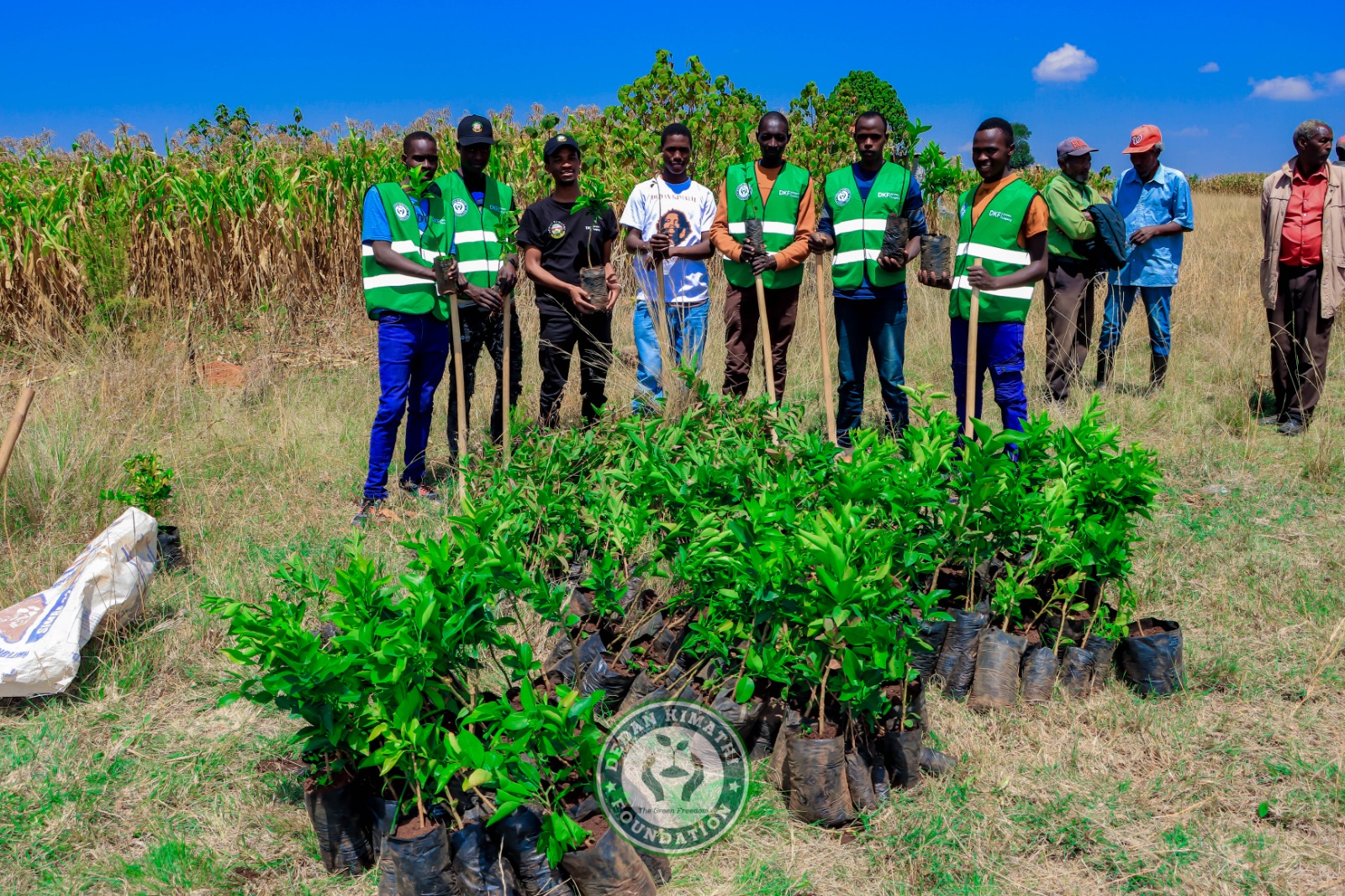
Students participate in planting, nurturing, and monitoring trees within school grounds and surrounding communities.
Environmental Clubs
Supporting students to establish or strengthen environmental clubs where they can learn, discuss environmental issues, and organize conservation activities.
Conservation Talks
Environmental professionals, community leaders, and conservation practitioners can engage students through talks, workshops, and interactive sessions.
School Conservation Projects
Students can participate in practical projects such as tree nurseries, waste management, biodiversity activities, and water conservation.
Youth Environmental Leadership
Empowering Young People to Lead
Young people are not simply future environmental leaders—they can be leaders today.
Our youth programmes encourage young people to take an active role in addressing environmental challenges within their schools and communities.
We support opportunities for:
- Environmental leadership
- Conservation volunteering
- Tree planting
- Climate awareness
- Community projects
- Innovation
- Environmental entrepreneurship
- Peer education
Through leadership opportunities, young people can develop both environmental knowledge and practical leadership skills.
Community Environmental Education
Taking Knowledge Beyond the Classroom
Environmental challenges affect entire communities.
We work with communities to promote awareness of issues that directly affect their livelihoods and wellbeing.
Topics may include:
- Forest conservation
- Tree growing
- Climate change
- Water conservation
- Soil protection
- Biodiversity
- Sustainable agriculture
- Waste management
- Sustainable livelihoods
Our approach is practical and community-centred, focusing on solutions that can be applied in everyday life.
Climate Change Education
Understanding a Changing Climate
Climate change is already affecting communities and ecosystems.
Our climate education initiatives seek to help people understand:
- What climate change means
- Causes and effects of climate change
- Local climate risks
- Adaptation and resilience
- Sustainable practices
- The importance of forests
- Water conservation
- Individual and community action
We encourage communities and young people to move from awareness to practical climate action.
Forest & Biodiversity Education
Understanding Our Natural Heritage
Kenya’s forests and ecosystems support an extraordinary range of plant and animal life.
Through environmental education, we help communities understand the importance of:
- Indigenous trees
- Forest ecosystems
- Wildlife habitats
- Pollinators
- Wetlands
- Rivers
- Soil health
- Biodiversity
Understanding how ecosystems work can inspire people to become responsible custodians of their local environment.
Tree Growing & Environmental Stewardship
From Planting to Caring
Tree planting is an important part of our environmental work, but we believe environmental education should go beyond planting day.
We encourage participants to understand the complete tree-growing cycle:
Select → Plant → Protect → Nurture → Monitor → Restore
Students and communities can learn about:
- Appropriate tree species
- Seed collection
- Nursery management
- Tree planting
- Watering
- Protection from damage
- Tree survival
- Long-term care
The objective is to create healthy, surviving trees and committed environmental stewards, not simply large planting numbers.
Teachers as Environmental Champions
Empowering Educators
Teachers play a critical role in shaping environmental attitudes and behaviours.
We seek to support educators with opportunities to:
- Participate in environmental workshops
- Access educational resources
- Establish school conservation programmes
- Develop environmental activities
- Encourage student-led initiatives
- Integrate environmental themes into learning
By empowering teachers, environmental education can continue long after a Foundation programme has ended.
Learning Through Action
Experience Is a Powerful Teacher
Environmental education is most effective when people can connect knowledge with practical experience.
Our programmes encourage activities such as:
- Tree planting
- Tree nursery development
- Forest visits
- Nature walks
- Environmental clean-ups
- Water conservation projects
- School gardens
- Biodiversity observation
- Community restoration activities
These experiences help learners understand that environmental conservation is something they can actively participate in.
Environmental Awareness Campaigns
Inspiring Action Across Communities
We use public awareness activities and campaigns to communicate important environmental messages.
Campaigns may focus on:
- Tree planting
- Forest conservation
- Climate action
- Water protection
- Waste reduction
- Biodiversity
- Sustainable living
- Environmental responsibility
Through community events, digital media, schools, partnerships, and public engagements, we seek to make environmental knowledge accessible to wider audiences.
Environmental Learning Resources
Knowledge That Can Be Shared
We aim to develop and share educational resources that can support environmental learning.
Resources may include:
- Educational articles
- Conservation guides
- Tree-growing guides
- Fact sheets
- Posters
- Videos
- Infographics
- School activity materials
- Research publications
- Environmental reports
These resources can support teachers, students, communities, volunteers, and environmental practitioners.
Environmental Education Partnerships
Learning Together. Acting Together.
Environmental education becomes more effective when organizations work together.
We seek partnerships with:
- Schools
- Universities
- Government institutions
- Environmental organizations
- Research institutions
- Corporations
- Community-based organizations
- Development partners
- Conservation experts
Partners can support environmental education through funding, expertise, educational resources, equipment, mentorship, and programme participation.
Measuring Our Impact
From Knowledge to Action
We seek to understand whether our environmental education programmes are creating meaningful change.
Where appropriate, we monitor indicators such as:
- Students reached
- Schools engaged
- Teachers trained
- Environmental clubs supported
- Communities reached
- Educational sessions conducted
- Trees grown through school programmes
- Conservation projects established
- Young environmental leaders supported
The ultimate measure of success is not simply how many people attend a programme, but whether knowledge leads to lasting environmental action.
Get Involved
Help Us Educate the Next Generation
You can support environmental education in many ways.
Schools
Partner with us to introduce conservation programmes to your students.
Teachers
Participate in environmental learning and community programmes.
Volunteers
Share your knowledge, skills, and passion with young people and communities.
Organizations
Support environmental education through CSR, funding, expertise, or resources.
Individuals
Help us provide learning materials and opportunities to schools and communities.
Take action
Teach Someone to Care for the Environment.
A tree can be planted in a day, but an environmental value can last a lifetime.
By educating children, empowering young people, supporting teachers, and engaging communities, we can build a culture of environmental responsibility that extends from one generation to the next.